
Where can they book a sleep apnea test in Brisbane?
They can usually book in three main ways: through their GP, through a sleep physician, or directly with a sleep clinic that offers home testing. Many people start with a GP because they can assess symptoms, review medications, and arrange a referral if needed.
They may also be able to self-refer to some providers for a home sleep apnea test Brisbane, though eligibility and rebates can depend on clinical history and referral requirements.
Should they start with a GP or go straight to a sleep clinic?
They should start with a GP if symptoms are new, severe, or tied to other health issues like high blood pressure, heart disease, or diabetes. A GP can also rule out other causes of fatigue, such as thyroid problems or iron deficiency.
They might go straight to a sleep clinic if they already have a high suspicion of sleep apnea and want faster access to testing. The trade-off is that they may still need a referral for certain funding pathways and follow-up management.
What types of sleep apnea tests are available in Brisbane?
They will usually be offered either a home sleep apnea test (HSAT) or an in-lab overnight sleep study (polysomnography). HSAT is common for straightforward suspected obstructive sleep apnea and is done in their own bed.
In-lab studies are more comprehensive and are often recommended when symptoms are complex, when other sleep disorders are suspected, or when earlier testing was inconclusive. Visit https://www.privatehealth.gov.au/dynamic/MBSItems/SleepStudies to get an overnight diagnostic assessment of sleep.
What happens before the test is booked?
They will typically complete a short assessment about symptoms, sleep habits, medical history, and risk factors. Many providers also use screening tools such as the Epworth Sleepiness Scale or STOP-Bang questionnaire to estimate risk.
If they have a partner, it can help if that person shares observations like loud snoring, pauses in breathing, or restless sleep, because those details can influence the test choice.
What should they expect from a home sleep apnea test in Brisbane?
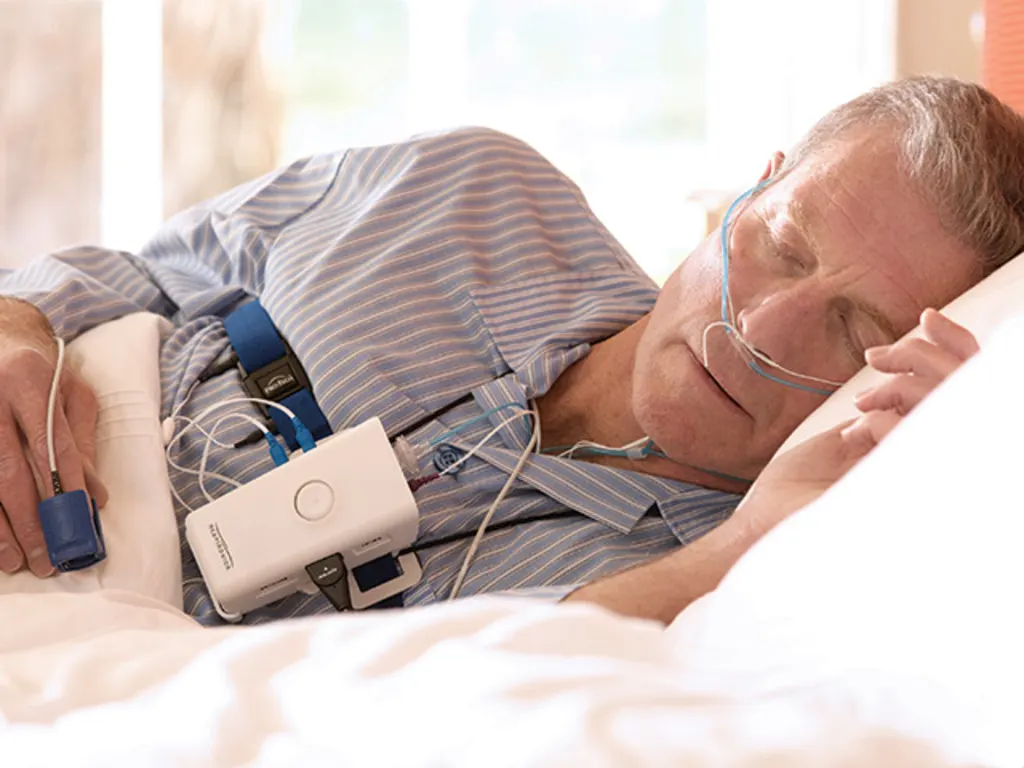
They’ll usually pick up a small kit or have it delivered. The device commonly includes a finger sensor for oxygen levels, a chest or belly belt to measure breathing effort, and a nasal cannula to measure airflow.
They wear the sensors overnight, sleep as normally as possible, then return the device the next day. Many people find it manageable, though it can feel unfamiliar for the first hour.
What should they expect from an in-lab sleep study?
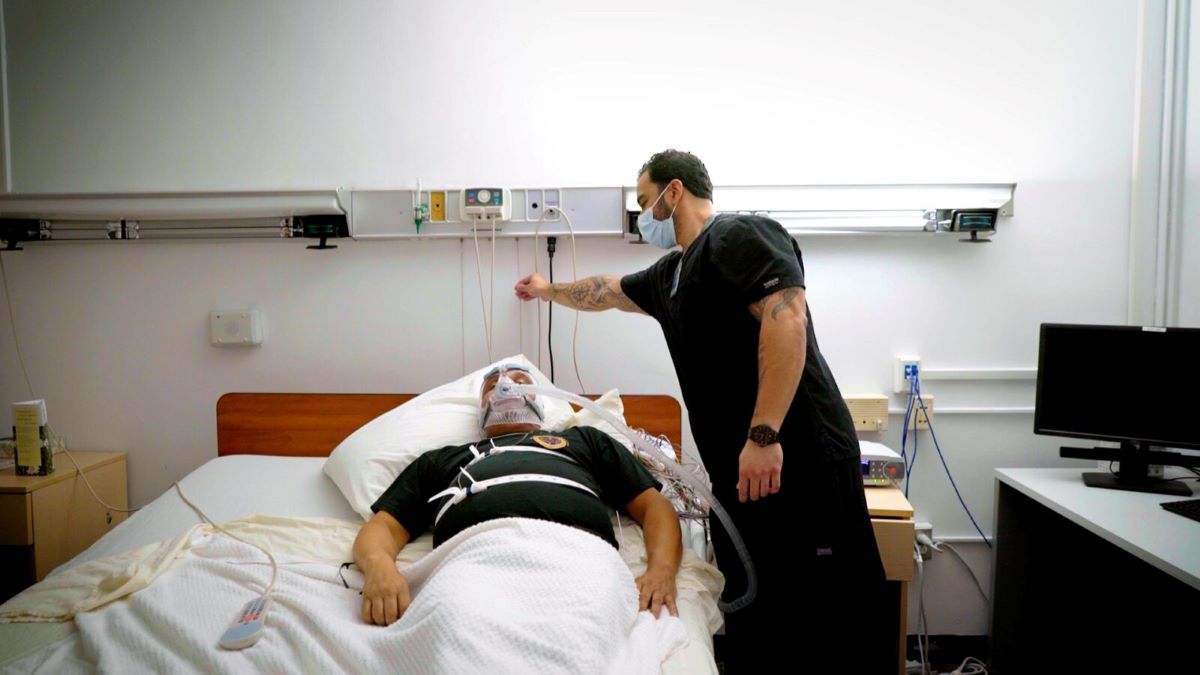
They arrive in the evening and sleep in a private room while sensors are attached to track breathing, oxygen, heart rate, body movements, and brain activity. Staff monitor the study remotely and can assist if a sensor comes loose.
They typically leave early the next morning. The main downside is sleeping in a new environment, but the benefit is more detailed data, especially when symptoms do not fit a standard pattern.
How should they prepare for a sleep apnea test?
They should follow the provider’s instructions closely, but preparation is usually simple. They are often advised to avoid alcohol on the day of the test and to keep caffeine earlier in the day, since both can affect sleep quality.
They should also pack or set up what helps them sleep normally, such as their usual pillow or bedtime routine, because the goal is to capture a typical night.
What results will they receive and how are they explained?
They will usually receive an Apnea-Hypopnea Index (AHI), which indicates how many breathing interruptions occur per hour. Reports may also include oxygen desaturation levels, snoring data, sleep time estimates, and body position effects.
A clinician explains what the numbers mean in context, because severity does not always match how they feel. Some people with mild AHI can feel terrible, while others with higher AHI may report fewer symptoms.
What happens if they are diagnosed with sleep apnea?
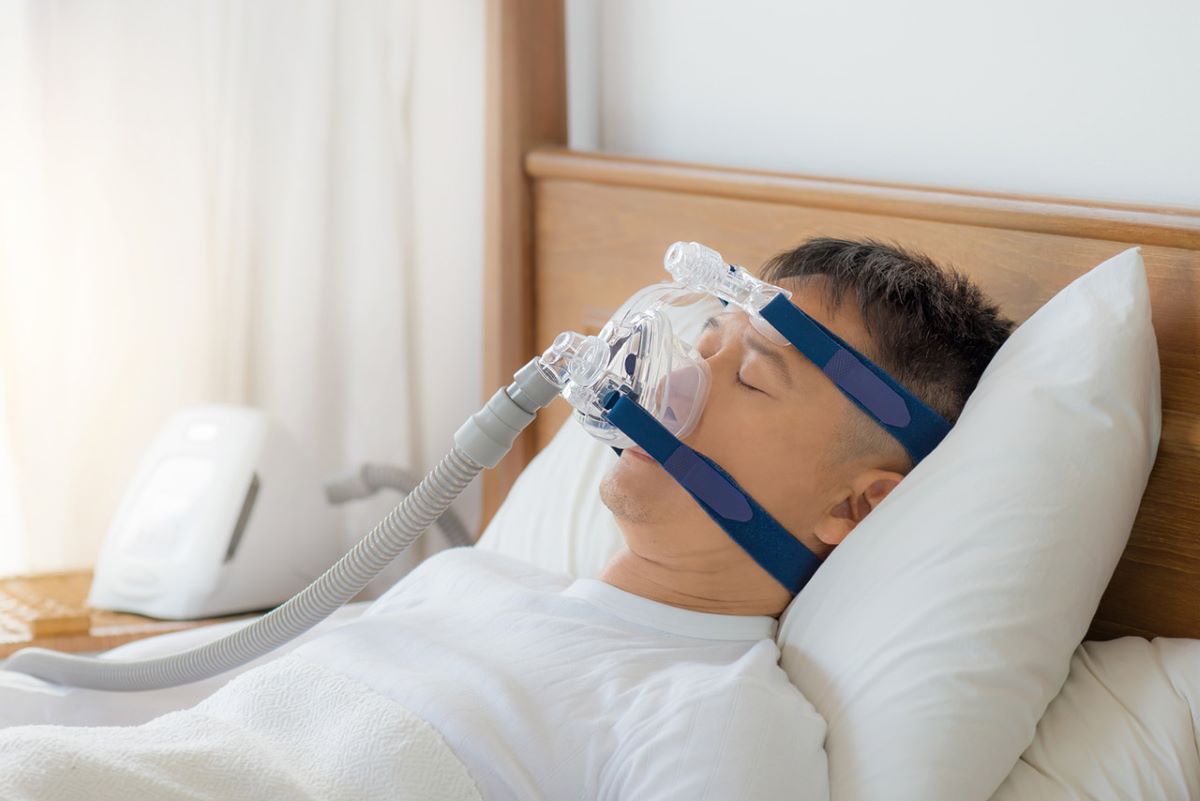
They will typically be offered treatment options based on severity, anatomy, lifestyle factors, and personal preference. CPAP therapy is the most common option and is often the first-line treatment for moderate to severe obstructive sleep apnea.
Other options can include oral appliances, positional therapy, weight management support, nasal or airway management, and in selected cases, surgical pathways. They should expect a follow-up plan because comfort and adherence matter as much as the initial prescription.
How long does it take to get results and start treatment?
Home test results are often available within days, while in-lab studies can take longer due to scoring and specialist review. After results, they may be booked for a consultation to discuss the diagnosis and next steps.
If CPAP is recommended, they can often trial a device quickly through a clinic or supplier. Ongoing reviews are common in the first weeks to adjust pressure settings, mask fit, and comfort.
What should they ask when choosing where to book in Brisbane?
They should ask whether the provider offers home testing and in-lab studies, what turnaround times are typical, and what follow-up support is included. It also helps to ask who interprets the study and whether a sleep physician is involved.
They should also clarify total costs, what is included in the quoted price, and whether they will receive a clear written report. Good providers make the process straightforward and support them after the diagnosis, not just during testing.
Related : How to Compare Clinics for a Sleep Apnea Test Perth