
For many Australians living with myopia or astigmatism, the dream of waking up with 20/20 vision is often clouded by misinformation. When considering laser eye surgery, it is natural to encounter conflicting reports online. In this guide, we provide a definitive look at 5 Common LASIK Myths Debunked: Safety, Pain, and Side Effects, ensuring you have the clinical facts needed to evaluate this life-changing procedure. Whether you are worried about the “laser” itself or the recovery time, understanding the reality of modern ophthalmology is the first step toward visual freedom.
See more: Laser Eye Surgery for Astigmatism, Nearsightedness, and Farsightedness
What is LASIK? Understanding the Procedure
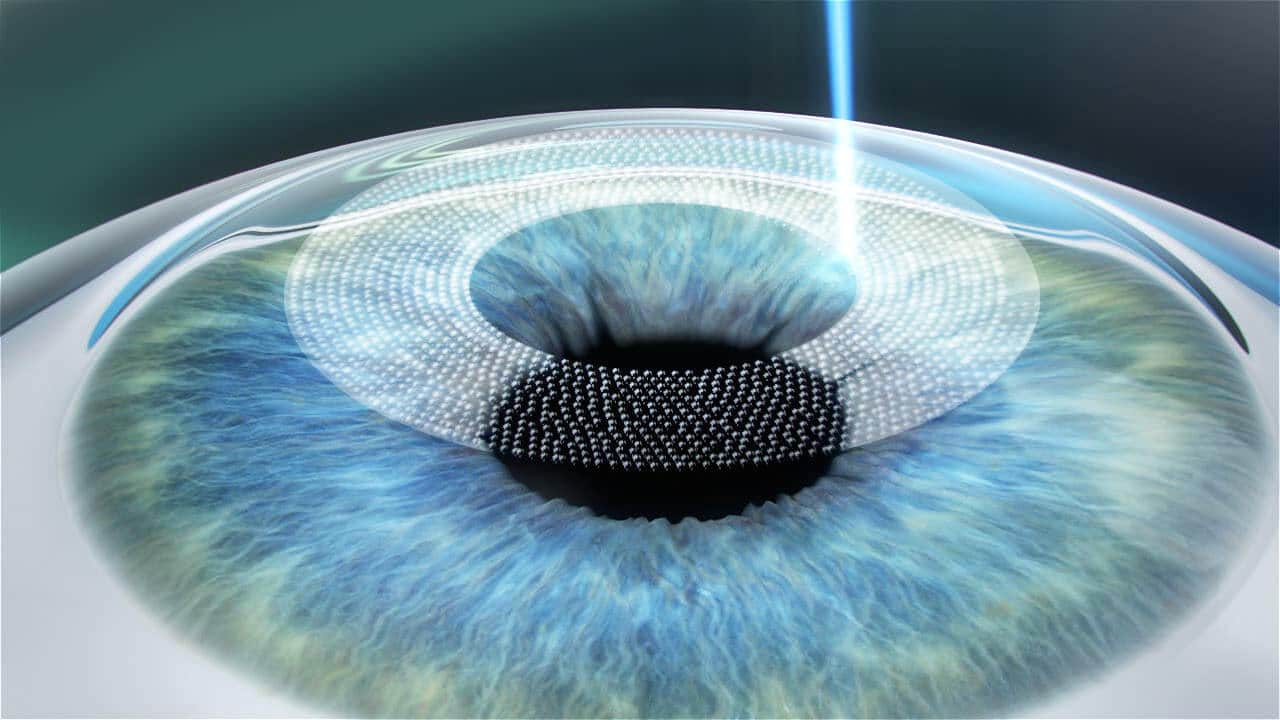
LASIK, or Laser-Assisted In Situ Keratomileusis, is a refractive surgery designed to reshape the cornea. By altering how light enters the eye, surgeons can correct refractive errors, significantly reducing or eliminating the need for glasses and contact lenses.
In Australia, the procedure has reached a pinnacle of precision thanks to femtosecond laser technology, which allows for bladeless surgery. Despite its high success rate, several misconceptions persist, often rooted in outdated techniques from the 1990s.
Myth 1: LASIK is Extremely Painful
One of the most pervasive fears among Australian patients is the “pain factor.” The idea of a laser touching the eye triggers an instinctive “fight or flight” response.
The Reality: Numbing and Comfort
The procedure is remarkably comfortable. Before the surgery begins, your surgeon applies anaesthetic eye drops that completely numb the surface of the eye.
- During the Surgery: You may feel a slight sensation of pressure for about 20 seconds, but sharp pain is virtually non-existent.
- Post-Operative: As the numbing drops wear off, some patients describe a “gritty” or “sandy” sensation, similar to having a dry contact lens in the eye. This usually subsides within 4 to 6 hours.
Patient Experience Comparison
| Aspect | During Procedure | 2–6 Hours Post-Op | 24 Hours Post-Op |
| Pain Level | 0/10 (Numb) | 2/10 (Mild Irritation) | 0/10 (Comfortable) |
| Sensation | Slight Pressure | Grittiness/Watering | Normal |
Myth 2: LASIK is Unsafe and Can Cause Blindness
Safety is the primary concern for anyone researching 5 Common LASIK Myths Debunked: Safety, Pain, and Side Effects.
The Facts on Complication Rates
According to clinical data, LASIK has one of the highest patient satisfaction rates of any elective surgery—approximately 96%. While all surgery carries some risk, the risk of total vision loss from LASIK is statistically near zero.
- Safety Interlocks: Modern lasers use high-speed eye-tracking technology. If you blink or move your eye involuntarily, the laser shuts off instantly in less than a millisecond.
- Sterile Environments: Australian eye clinics adhere to strict TGA (Therapeutic Goods Administration) standards to prevent infection.
Expert Insight: You are statistically more likely to develop a sight-threatening infection from improper contact lens hygiene than from a LASIK procedure performed by a qualified surgeon.
Myth 3: The Recovery Time is Weeks or Months
Many people believe they will need to take significant time off work or sit in a dark room for weeks. In reality, the “downtime” is surprisingly short.
The 24-Hour Transformation
Most Australians return to work and resume driving within 24 to 48 hours of their surgery.
- Day 0: Surgery day. Rest at home with eyes closed.
- Day 1: Post-op checkup. Most patients already have 20/20 vision.
- Day 2-7: Resume normal activities, avoiding swimming or heavy eye makeup.
Myth 4: LASIK Side Effects Like “Dry Eye” are Permanent
While side effects are a reality of any medical intervention, the myth lies in the belief that they are permanent and debilitating.
Managing Temporary Side Effects
- Dry Eyes: It is common to experience dryness for the first 3 to 6 months. This is managed easily with preservative-free lubricating drops.
- Night Glare/Halos: You might see “starbursts” around lights at night shortly after surgery. This is part of the corneal healing process and typically resolves as the eye stabilizes.
Myth 5: The Results Only Last a Few Years
A common misconception in Australia is that LASIK “wears off.” This stems from a misunderstanding of how the eye ages.
Permanent Reshaping vs. Natural Aging
LASIK permanently reshapes the cornea. The correction made to your myopia or hyperopia does not disappear. However, LASIK cannot stop the natural aging process of the eye, such as:
- Presbyopia: The age-related loss of near-focusing ability (usually occurring after age 45).
- Cataracts: The clouding of the natural lens later in life.
The LASIK Journey: A Step-by-Step Process
If you are considering moving past these myths, here is what the actual process looks like in a professional Australian clinic:
1. Comprehensive Assessment
A surgeon uses topography mapping to create a “fingerprint” of your eye. This determines if your corneal thickness is sufficient for surgery.
2. The Flap Creation
Using a femtosecond laser, a thin, microscopic flap is created on the surface of the cornea.
3. Laser Remodelling
An excimer laser removes microscopic amounts of tissue to correct the refractive error. This part usually takes less than 60 seconds per eye.
4. Flap Repositioning
The flap is laid back down, where it adheres naturally without the need for stitches.
Common Mistakes to Avoid When Choosing a Surgeon
To ensure the best outcome and minimize risks, avoid these common pitfalls:
- Price Shopping Only: Choosing a “budget” clinic that uses older technology or doesn’t include comprehensive aftercare.
- Hiding Medical History: Not disclosing autoimmune conditions or medications that might affect healing.
- Ignoring Post-Op Instructions: Failing to use prescribed steroid or antibiotic drops as directed.
Internal & External References
- Internal Link Suggestion: [Understanding the cost of laser eye surgery in Australia]
- Internal Link Suggestion: [LASIK vs. PRK: Which is right for you?]
- External Authority: Refer to the Royal Australian and New Zealand College of Ophthalmologists (RANZCO) for clinical standards.
- External Authority: Consult the Therapeutic Goods Administration (TGA) regarding laser medical device safety.
FAQ: Frequently Asked Questions
Can I go blind from LASIK?
There has never been a recorded case of a healthy person going completely blind from LASIK. Complications are rare and usually treatable with further medication or enhancement procedures.
How much does LASIK cost in Australia?
Prices typically range from $2,500 to $3,800 per eye, depending on the technology used and the surgeon’s experience.
What happens if I blink during the procedure?
Your eye is held open by a small, gentle medical device (speculum), and the laser’s tracking system follows your eye movements at speeds of over 1,000 times per second.
Will I still need reading glasses?
If you are over 45, you may eventually need reading glasses due to presbyopia, which affects the internal lens of the eye rather than the corneal shape.
Is LASIK covered by Medicare?
Generally, LASIK is considered an elective cosmetic procedure and is not covered by Medicare, though some top-tier private health insurance plans may offer a rebate.
Conclusion
Separating fact from fiction is essential for anyone considering vision correction. By reviewing these 5 Common LASIK Myths Debunked: Safety, Pain, and Side Effects, it becomes clear that modern technology has made the procedure safer and more comfortable than ever before. While no surgery is without risk, the high success rate and rapid recovery make LASIK a viable option for thousands of Australians every year.