
What type of sleep apnea test do they actually need?
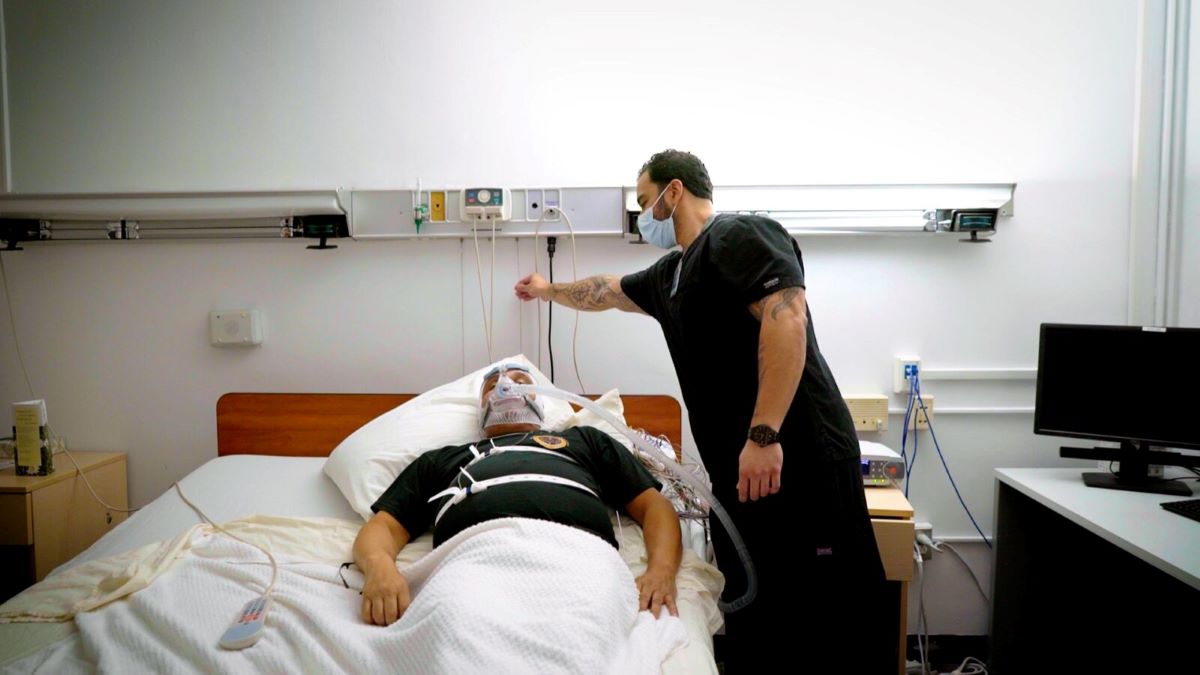
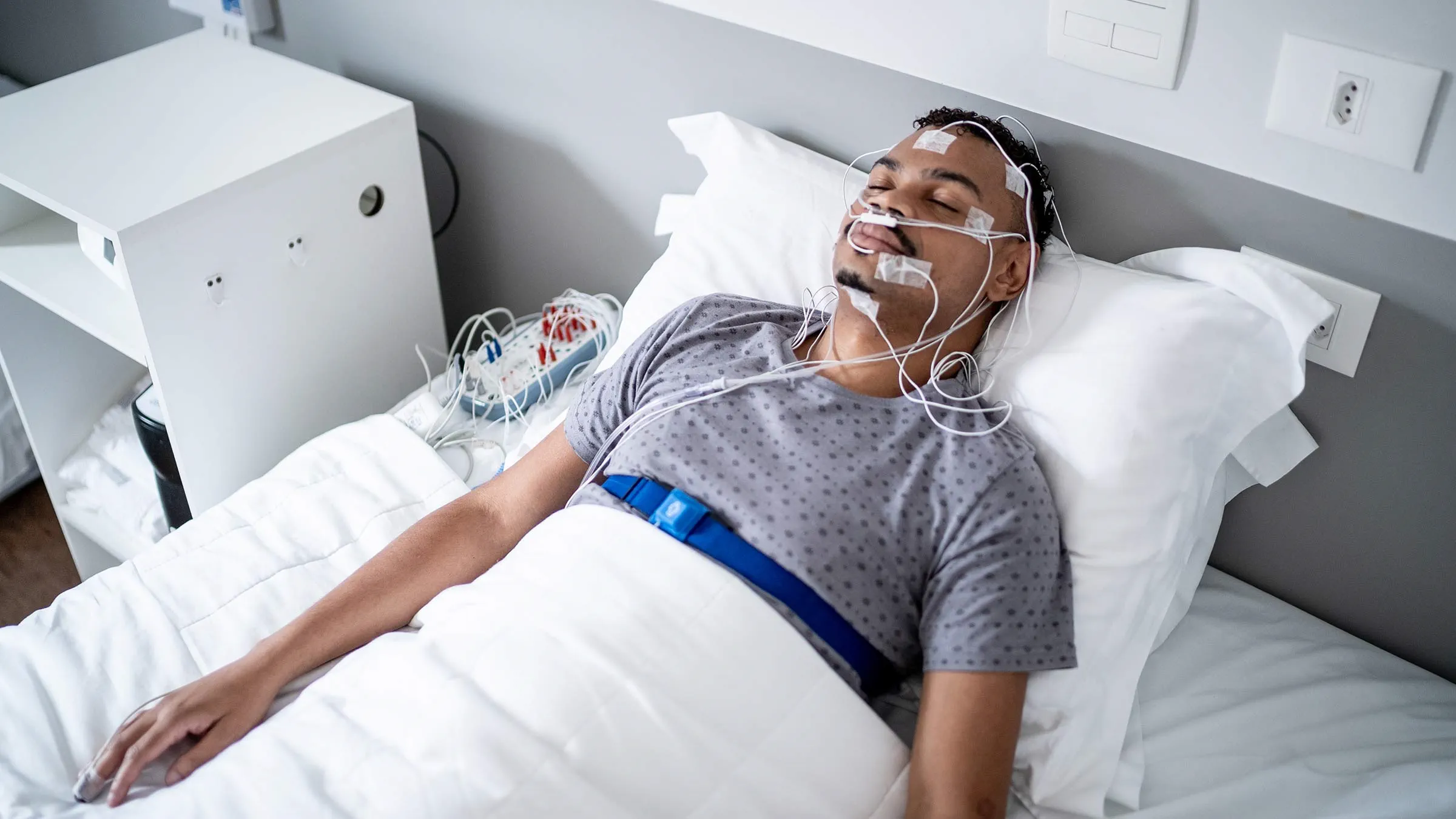
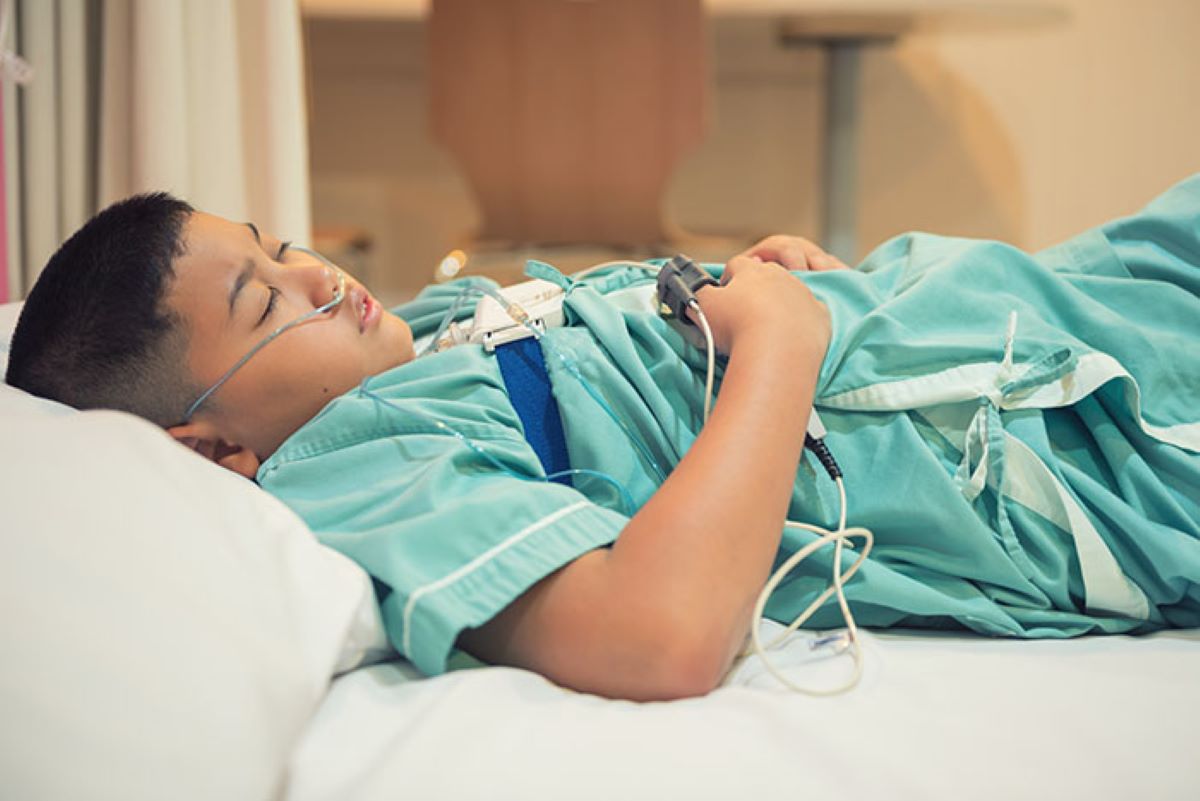
Most people will be offered either an at-home sleep test (often called HSAT) or an in-lab overnight study (polysomnography). Home tests are typically cheaper and faster, but they may miss certain sleep disorders or be less suitable for complex cases. In-lab studies are more comprehensive and are often recommended if the patient has heart or lung conditions, suspected central sleep apnea, or inconclusive home test results.
Is the clinic connected to a qualified sleep physician?
They should also consider whether the provider offering a sleep apnea test Perth includes direct involvement from a sleep physician who reviews the data and signs off on the diagnosis. Some services focus mainly on testing and outsource interpretation, while others manage the entire medical pathway. A clinic with physician oversight can be especially helpful when patients require medication reviews, broader sleep disorder screening, or more detailed interpretation of the results.
What does the clinic’s process look like from booking to results?
A clinic should be able to explain their steps clearly: referral requirements, appointment timing, equipment pickup or delivery, how the test night works, and when results are ready. They should also ask how results are delivered, whether it’s a written report, a consult, or both. If a clinic is vague about timelines or next steps, it can slow down treatment.
How long are the wait times, and are there cancellations they can take?
Wait time matters because untreated sleep apnea can affect driving safety, blood pressure, mood, and work performance. They should ask the average time to the first appointment, the test date, and the results consult. Clinics that maintain a cancellation list can often move patients forward quickly.
What is included in the quoted price, and what costs come later?
They should request an itemised quote. Some clinics bundle the consult, equipment, scoring, and report, while others quote only for the test and charge extra for interpretation or follow-up. If treatment is likely, they should also ask what a CPAP trial, mask fitting, or follow-up appointments cost. The cheapest test can become expensive if everything else is billed separately.
Will they need a GP referral, and does the clinic help with it?
Some clinics require a referral for a physician-led pathway, while others offer direct access for home testing. Either way, many patients still prefer a GP referral so their care stays coordinated. A good clinic will tell them exactly what wording is needed and whether the referral changes rebate eligibility.
Are Medicare or private health rebates available through that clinic?
Rebates depend on the testing type, setting, and provider. They should ask whether the clinic bills Medicare, provides item numbers, or supplies documents for private health claims. If the patient has private health insurance, they should also confirm whether the clinic is recognised by their fund and whether there are gaps.
What accreditations, standards, or experience does the clinic have?
They should look for signals of quality: experienced sleep technologists, established ties to sleep physicians, and clear clinical governance. If the clinic performs in-lab studies, they can ask about staff supervision overnight and how signals are monitored. For home tests, they should ask what happens if the device fails or collects poor data.
How reliable is the home test equipment and scoring?
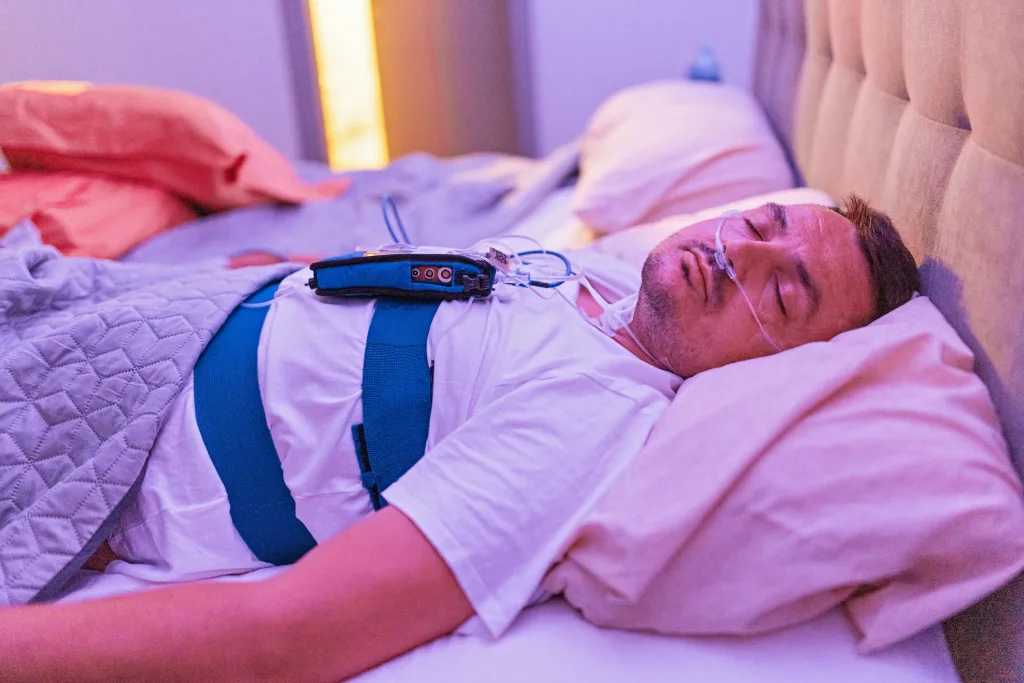
Not all home sleep tests are equal. They should ask what the device measures (airflow, oxygen saturation, heart rate, respiratory effort, position, snoring) and whether a trained professional manually scores the study. Clinics that rely purely on automated scoring may miss subtleties, especially in borderline cases.
How does the clinic handle false negatives or inconclusive results?
A clear policy here matters. They should ask what happens if the test is negative but symptoms remain strong, or if the recording time is too short. A patient-friendly clinic will outline repeat testing rules, upgrade paths to an in-lab study, and whether repeat fees apply. Discover more about where to book a sleep apnea test in Brisbane and what to expect.
What follow-up support do they provide after diagnosis?
Diagnosis is only useful if treatment follows. They should compare whether the clinic offers CPAP education, mask fitting support, troubleshooting, and ongoing reviews. If the clinic sells CPAP devices, they should ask whether follow-up is clinical or sales-led, and whether patients can take the prescription elsewhere.
Can they choose their own CPAP supplier, or are they locked in?
Some clinics operate as both diagnostic and retail providers. That is not automatically bad, but patients should confirm they can shop around and still receive clinical support. A good clinic will provide a copy of the report and treatment recommendations regardless of where the device is purchased.
How do they evaluate reviews without being misled?
They should look for patterns, not star ratings. Consistent comments about rushed appointments, surprise fees, hard-to-reach staff, or poor follow-up are more meaningful than one-off complaints. The most useful reviews mention wait times, clarity of instructions, and how the clinic handled issues like faulty equipment or mask problems.
What questions should they ask before booking?
They can get clarity quickly by asking a short list of direct questions:
- Which test is recommended for their symptoms, and why?
- How much is the total cost from consult to report?
- How long until results are available?
- Who interprets the study, and is a sleep physician involved?
- What happens if the test is inconclusive?
- What follow-up support is offered if sleep apnea is diagnosed?
How can they make a final decision confidently?
They should pick the clinic that is transparent on price, clear on process, clinically credible, and supportive after results. If two clinics seem similar, the tie-breakers are usually turnaround time and follow-up quality. The goal is not just a sleep apnea test in Perth, but a smooth path from symptoms to a workable treatment plan.
See Also : Sleep – stages, tips, disorders, apnoea