

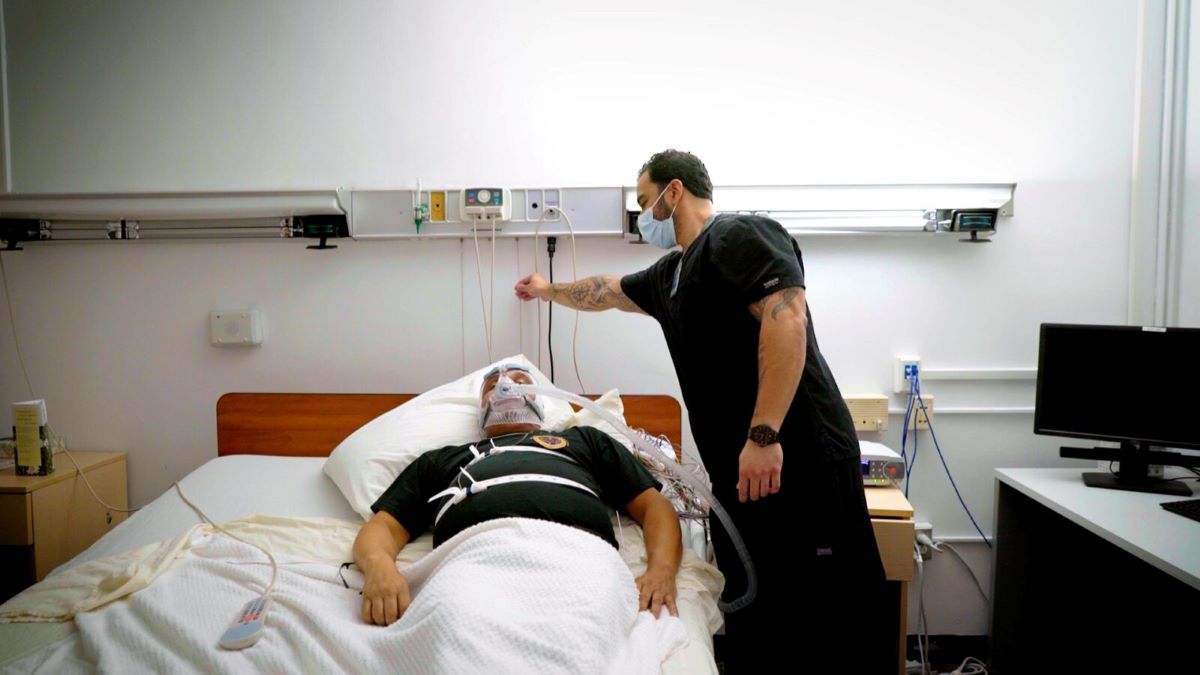
Everyone sleeps, but not everyone sleeps the same way. Your natural sleep tendencies — when you feel most awake, how easily you fall asleep, and the times you function best — are influenced by your internal body clock. These patterns, known as chronotypes or sleep types, play a major role in your daily energy, productivity, and overall wellbeing.
A sleep type test uses modern assessment methods to identify your biological sleep rhythm and determine which sleep category best reflects your natural behaviour. Understanding your sleep type can help improve your energy levels, work performance, mental clarity, and long-term health by aligning your lifestyle with your body’s natural tendencies.
Why Knowing Your Sleep Type Matters
Rather than forcing yourself into a schedule that doesn’t match your internal clock, identifying your sleep type allows you to make healthier decisions. Many people struggle with fatigue, low motivation, or irregular sleep patterns without realising that their schedule may be out of sync with their biology.
When you know your type, you can plan your day — from work hours to exercise sessions and bedtime — around your natural peaks and dips in energy.
The Four Most Common Sleep Types
Modern sleep science categorises sleep patterns into several types. While exact names vary, the following four are the most widely recognised:
1. The Early Riser (Morning Type)
Wakes up naturally early and feels most productive in the first half of the day.
2. The Night Owl (Evening Type)
Feels more alert in the late afternoon or night and sleeps later than average.
3. The Balanced Type
Maintains a flexible schedule, functioning well with standard sleep-wake hours.
4. The Irregular Type
Experiences inconsistent sleep patterns due to lifestyle, work hours, or underlying sleep disturbances.
A sleep type test helps determine where you fit on this spectrum and how your body naturally prefers to operate.
How a Sleep Type Test Works
These tests often include:
- A questionnaire evaluating your daily energy levels and sleep habits
- Tracking tools that monitor your sleep duration and quality
- Assessments of your daytime alertness and evening tiredness
- Lifestyle questions that help identify contributing factors
Modern digital assessments may also integrate sleep-tracking devices or apps for improved accuracy.
Other Resources : Sleep problems as a risk factor for chronic conditions
Using Your Results to Improve Your Lifestyle
Once you understand your sleep type, you can optimise your day by:
- Setting consistent bedtimes that align with your natural rhythm
- Planning focused work sessions when you’re naturally most alert
- Adjusting exercise routines to when your body performs best
- Developing a sleep-friendly evening routine
- Avoiding caffeine and stimulating activities during your natural wind-down period
These small changes can significantly improve sleep quality and overall daily performance.
When to Seek Professional Guidance
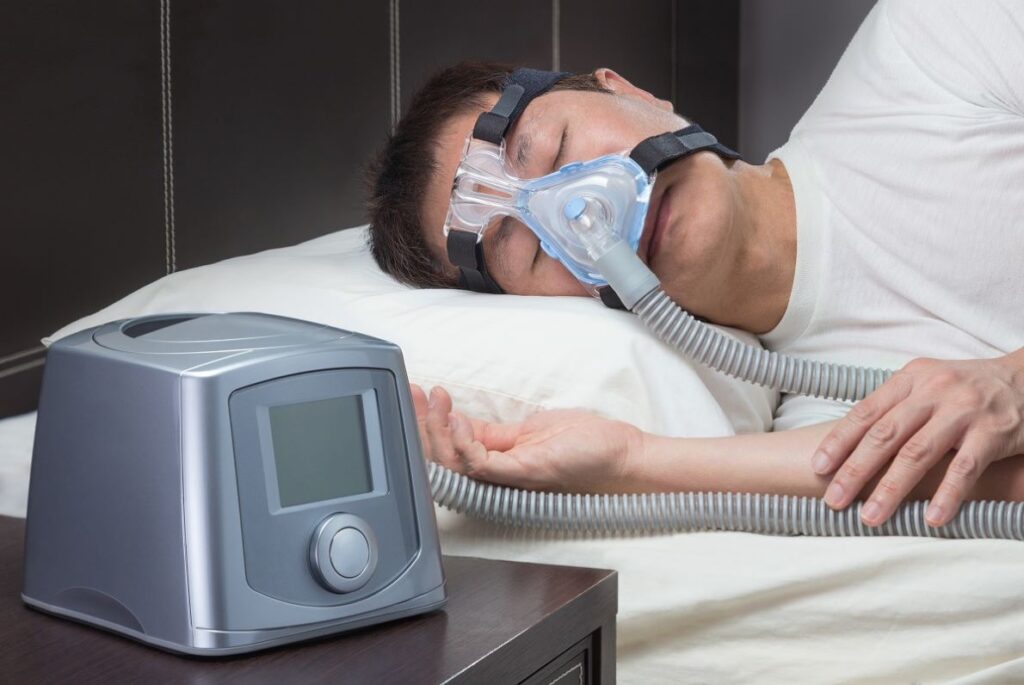
If your results show irregular patterns or if you experience persistent fatigue despite good sleep habits, a sleep specialist may be able to identify underlying issues such as insomnia, delayed sleep phase disorder, or mild sleep apnea.
Professional guidance ensures you receive personalised recommendations tailored to your sleep biology.
Final Thoughts
Understanding your sleep type is one of the most effective ways to improve your daily energy and overall wellbeing. A modern sleep type test provides valuable insights into your natural rhythm, helping you build better habits, improve productivity, and feel more aligned with your body’s needs. When you work with your internal clock rather than against it, healthier and more restorative sleep becomes much easier to achieve.
More to Read : Bulk-Bill Sleep Study Adelaide: How to Access Affordable Sleep Testing Services