
Understanding Laser Eye Surgery
Laser eye surgery is a transformative solution for vision correction, helping people with astigmatism, nearsightedness (myopia), and farsightedness (hyperopia) achieve clearer vision without the dependence on glasses or contact lenses.
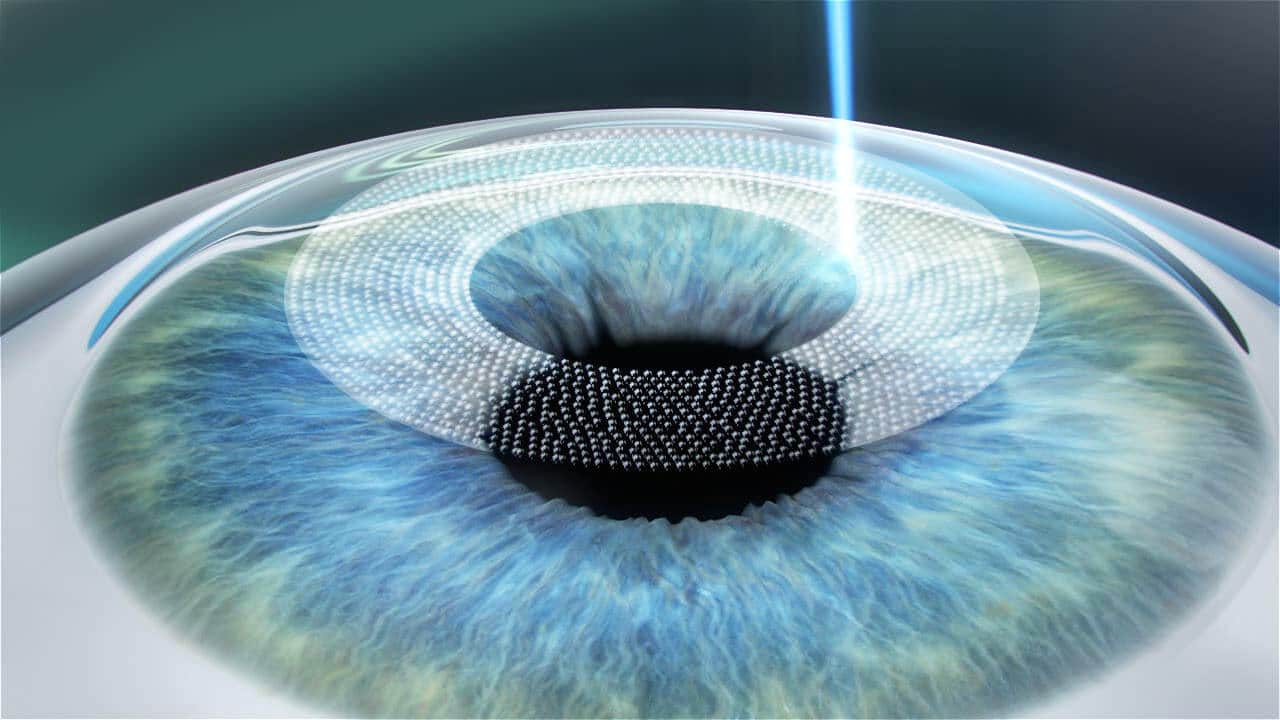
Modern techniques like LASIK (Laser-Assisted In Situ Keratomileusis), PRK (Photorefractive Keratectomy), and SMILE (Small Incision Lenticule Extraction) use advanced laser technology to reshape the cornea, improving the eye’s ability to focus light accurately on the retina.
Laser eye surgery is not a one-size-fits-all solution. The choice of technique depends on the type and severity of refractive error, corneal thickness, lifestyle needs, and individual health considerations. Understanding these factors helps patients make informed decisions.
Preparing for Your Procedure
Proper preparation ensures safety and enhances surgical outcomes.
1. Pre-Surgery Consultation
- Comprehensive eye exam including corneal mapping, pupil measurement, and vision tests.
- Discussion of medical history, medications, and lifestyle factors affecting healing.
- Understanding expected results for specific refractive errors like astigmatism or hyperopia.
2. Contact Lens Discontinuation
- Soft lenses: stop wearing 1–2 weeks prior.
- Rigid lenses: longer period needed to ensure accurate measurements.
3. Lifestyle Preparation
- Arrange transportation; driving is not allowed immediately post-surgery.
- Plan downtime, especially if undergoing PRK, which has slower initial visual recovery.
What Happens During Laser Eye Surgery
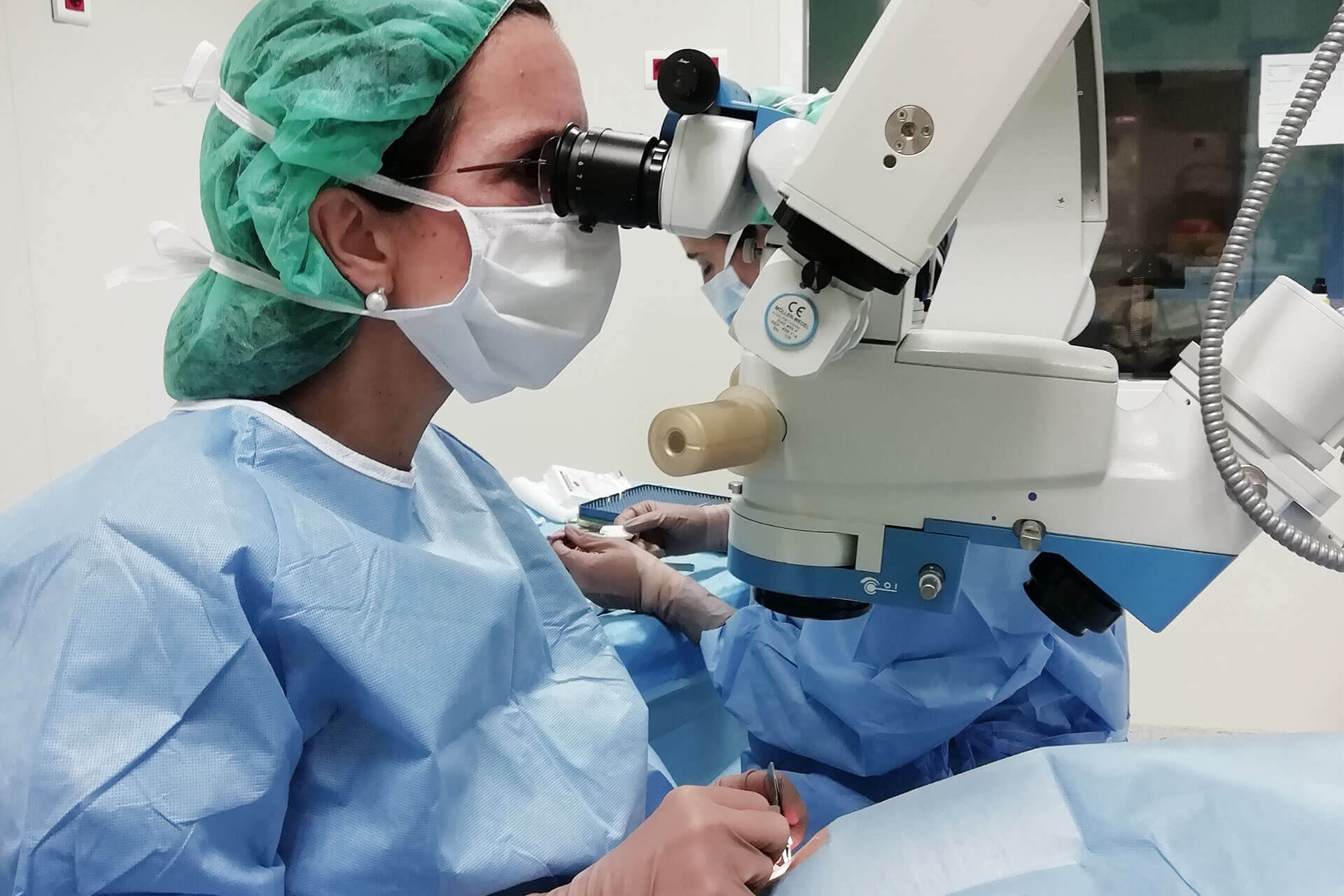
Laser eye surgery is precise, quick, and typically painless.
Step-by-Step Procedure
- Eye Preparation
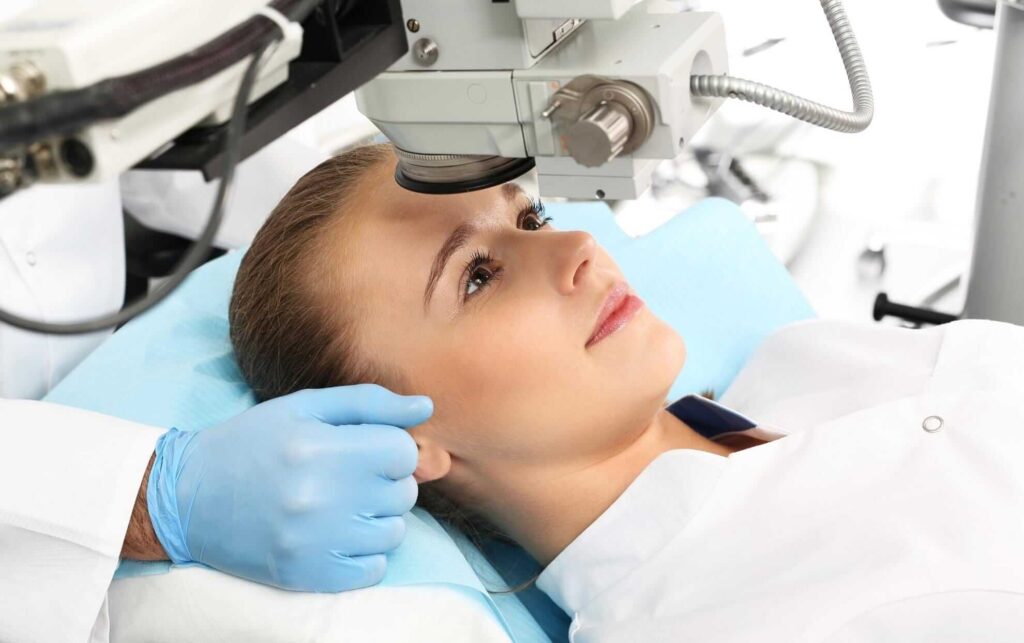
- Numbing drops and eyelid holders applied to prevent blinking.
- Technique-Specific Steps
- LASIK: Flap creation, corneal reshaping with laser, flap repositioning.
- PRK: Surface layer removal, laser reshaping, natural corneal regeneration.
- SMILE: Small incision, lenticule removal, minimal disruption to corneal surface.
- Wavefront-Guided LASIK: Personalized reshaping based on detailed corneal mapping.
- Procedure Duration
- Usually 15–30 minutes for both eyes.
Tip: Bring sunglasses for post-surgery light sensitivity.
Recovery and Aftercare
Recovery depends on the type of laser procedure and individual healing rates.
Immediate Post-Surgery
- Mild tearing, burning, or blurred vision is normal.
- LASIK and SMILE patients usually see noticeable improvement within 24–48 hours.
First Week
- Follow eye drop schedules as prescribed.
- Avoid rubbing eyes, swimming, or exposure to dust and smoke.
- Attend follow-up appointments to monitor healing progress.
First Month
- Gradual improvement in visual clarity.
- PRK patients may have slower initial recovery due to surface layer regeneration.
- Avoid strenuous exercise or contact sports.
Tips for Optimized Recovery
- Use prescribed lubricating drops.
- Wear sunglasses outdoors to protect sensitive eyes.
- Get adequate rest and adhere strictly to ophthalmologist instructions.
Risks, Benefits, and Long-Term Results
Benefits
- Reduced or eliminated dependence on glasses or contact lenses.
- Quick and precise procedures with high success rates.
- Long-lasting correction for most refractive errors, including astigmatism, myopia, and hyperopia.
Risks
- Temporary dry eyes, glare, halos around lights.
- Minor under- or over-correction may require enhancements.
- Rare complications: infection, flap issues (LASIK), or delayed healing (PRK).
Minimizing Risks
- Choose an experienced and qualified ophthalmologist.
- Follow all pre- and post-operative instructions.
- Avoid rubbing eyes or risky activities during recovery.
- Attend all follow-up appointments for early detection of complications.
Long-Term Results
- Most patients achieve 20/25 vision or better.
- Natural age-related vision changes may occur, but the correction is usually long-lasting.
Frequently Asked Questions (FAQ)
Can laser eye surgery correct astigmatism?
Yes, LASIK, PRK, and SMILE can effectively treat astigmatism by reshaping the cornea for proper focus.
Is laser eye surgery suitable for nearsightedness and farsightedness?
Yes, these procedures are designed to correct myopia (nearsightedness) and hyperopia (farsightedness) in suitable candidates.
How long does recovery take?
- LASIK/SMILE: 1–2 days for basic recovery.
- PRK: 3–5 days or longer for clear vision.
What are the risks?
Temporary dry eyes, glare, halos, and minor under/over-corrections are possible. Rare complications are usually treatable.
How much does laser eye surgery cost?
Costs range from $2,000–$5,000 per eye in Australia, depending on the technique and clinic.